


When the weather gets warmer, it's completely natural for your appetite to change. Heavy meals can suddenly seem much less appealing, while salads, fruit, fish and other fresh foods are exactly what you fancy.
But eating lighter shouldn't mean simply eating less.
If your appetite drops during the summer, it's even more important to make the food you do eat count. That means continuing to give your body plenty of protein, fibre, healthy fats and nutrient-rich fruit and vegetables to support your energy and overall wellbeing.
Watch Gabriela explain
Key takeaways
- A smaller summer appetite doesn't mean your body stops needing good nutrition.
- Keep protein on the menu, even when you're choosing lighter meals.
- Focus on nutrient-dense foods so that smaller meals still deliver plenty of nutritional value.
- Smoothies can be an easy option when you don't fancy a full meal.
- Think fresh and easy to digest, rather than restrictive.
What does eating light actually mean?
For me, eating lightly in summer isn't about cutting calories or skipping meals. It's about choosing nourishing foods that feel good to eat when it's hot.
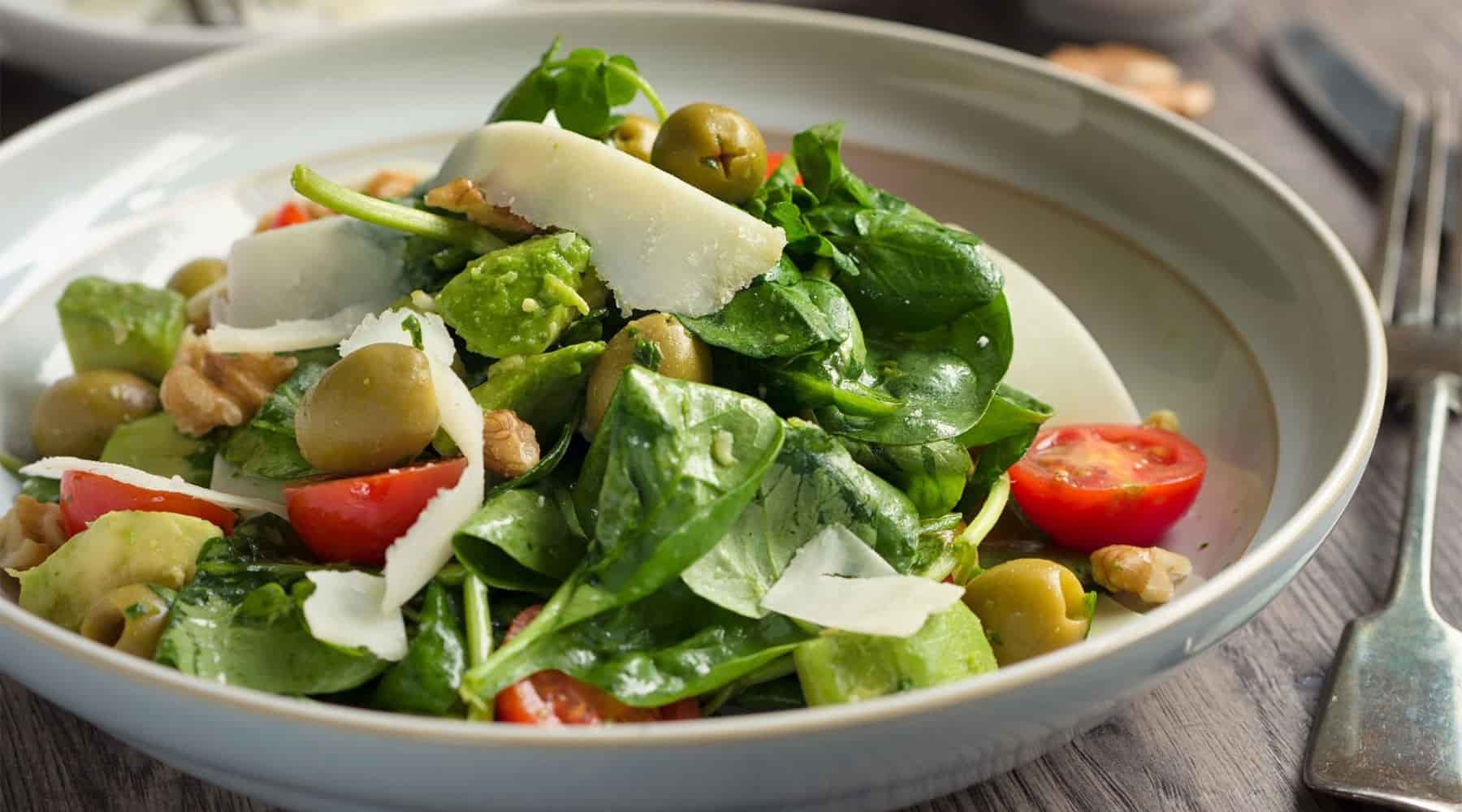
Think grilled fish with a colourful salad, yoghurt and berries, seasonal fruit, whole grains and plenty of vegetables, with healthy fats from foods such as avocado, nuts, seeds and olive oil.
You can still eat really well without sitting down to a large, heavy meal.
Keep prioritising protein
One thing I wouldn't deliberately reduce just because it's summer is protein.
Your body needs protein throughout the year. It contributes to the maintenance of muscle mass, as well as the maintenance of normal bones, so it deserves a place in your summer meals even when your appetite is smaller.
Fish and seafood are fantastic lighter options. Eggs, Greek yoghurt, cottage cheese, tofu, beans and lentils can also make it easy to add protein without making a meal feel too heavy.
Try thinking about the protein first, then building the rest of your meal around it.
Make every bite count
When you're naturally eating smaller portions, nutrient density becomes particularly important.
Rather than concentrating on how much you're eating, think about the nutritional value you're getting from each meal.
Colourful fruit and vegetables provide fibre and a wide variety of vitamins and plant nutrients. Whole grains and pulses provide fibre alongside slow-release carbohydrates, while nuts, seeds, avocado and olive oil are easy ways to include healthy fats.
Variety is important too. The more different whole foods you include across the week, the broader the range of nutrients you're likely to get.
Don't forget fibre
Lighter summer eating can be a wonderful opportunity to fill your plate with fibre-rich plant foods.
Fruit, vegetables, beans, lentils, whole grains, nuts and seeds are all useful sources. Fibre helps support normal digestion, while also feeding the diverse community of bacteria living in your gut.
A big colourful salad is an obvious starting point, but don't stop there. Add chickpeas or lentils, sprinkle over some seeds, serve it with a slice of wholegrain bread or finish with some fresh berries.
Try a smoothie when you don't fancy a meal
On really hot days, sometimes you simply don't want to sit down to a plate of food.
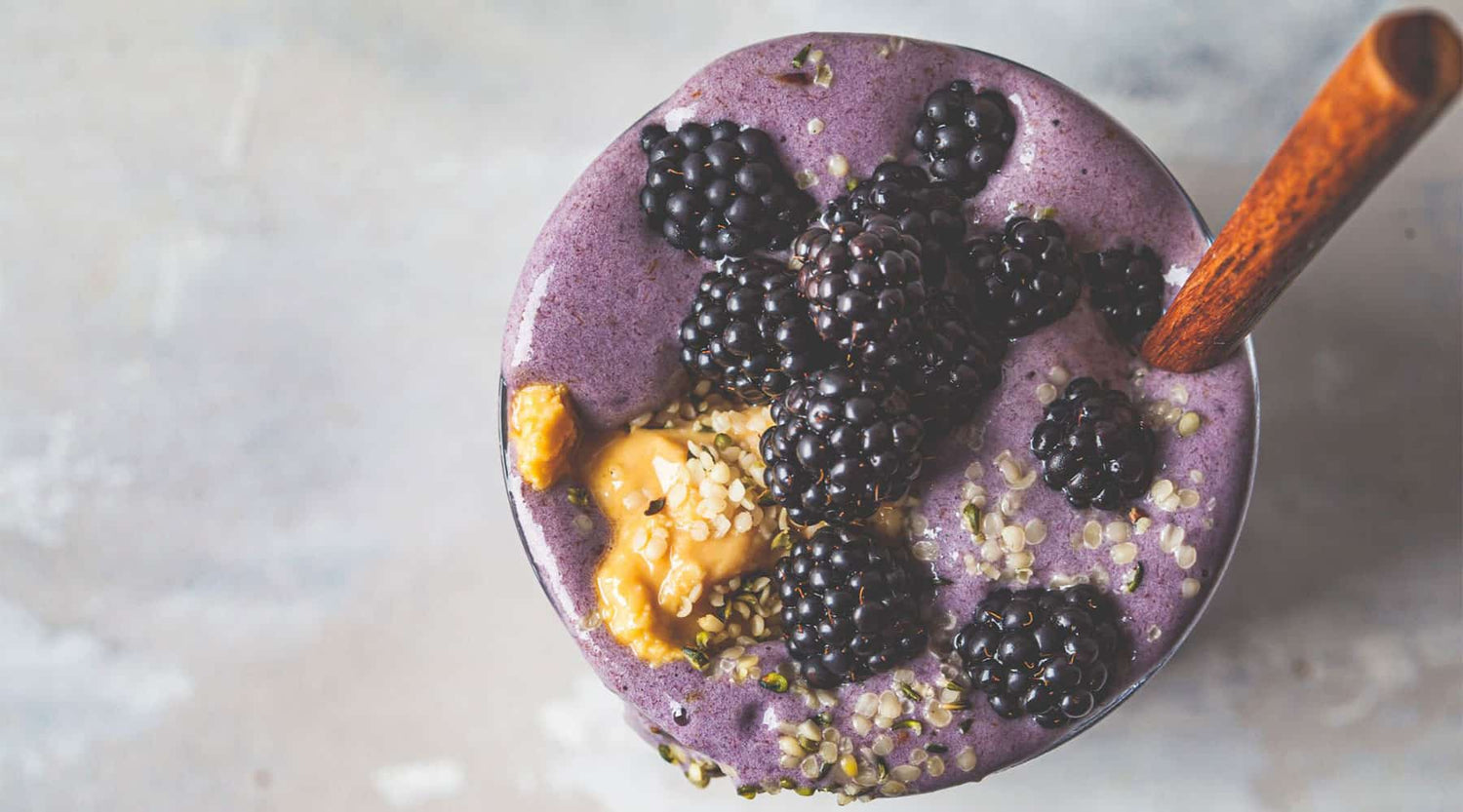
A smoothie can be an easy way to get some nutrition in. I like adding yoghurt for protein, along with fruit or berries for a lovely fresh flavour.
You could also add oats, nut butter, seeds or leafy greens depending on what you enjoy. The idea isn't to create an enormous "superfood" smoothie containing everything in your kitchen. It's simply an easy, refreshing way to nourish yourself when your appetite isn't quite there.
Easy ideas for lighter summer meals
You don't need to overcomplicate it. Try:
- Grilled salmon with new potatoes and a colourful salad
- Greek yoghurt with berries, nuts and seeds
- Eggs with avocado and wholegrain toast
- A lentil, feta and roasted vegetable salad
- Grilled chicken or tofu with crunchy vegetables and brown rice
- A yoghurt and berry smoothie with oats or nut butter
- Hummus, chopped vegetables and wholegrain pitta for an easy lunch
The important thing is that "light" describes how the meal feels, not how little nutrition it contains.
Nutritional support
A varied, balanced diet should always come first. But during periods when your appetite is lower or your routine changes, supplements can provide some additional nutritional support alongside your diet.
For everyday support, I recommend:
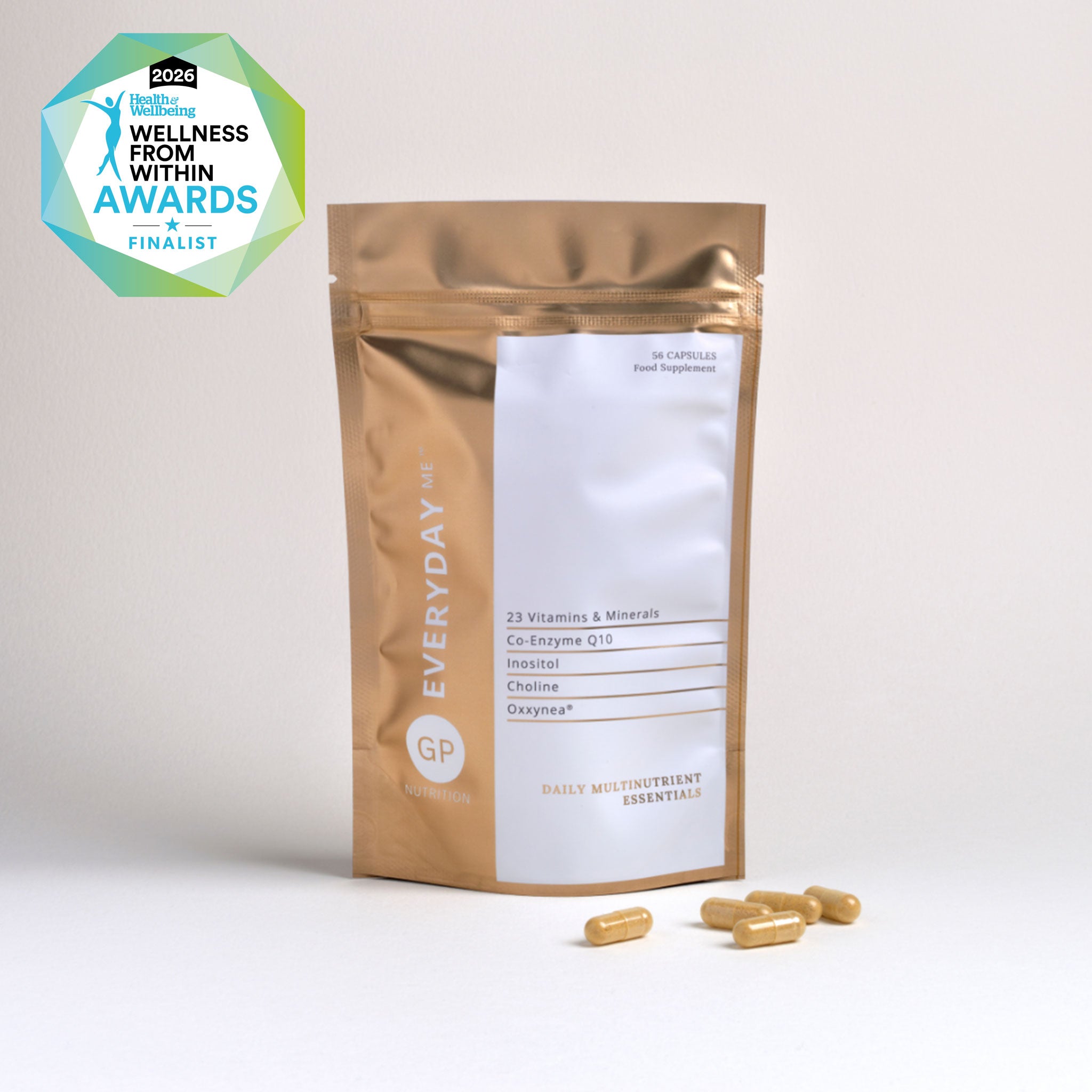
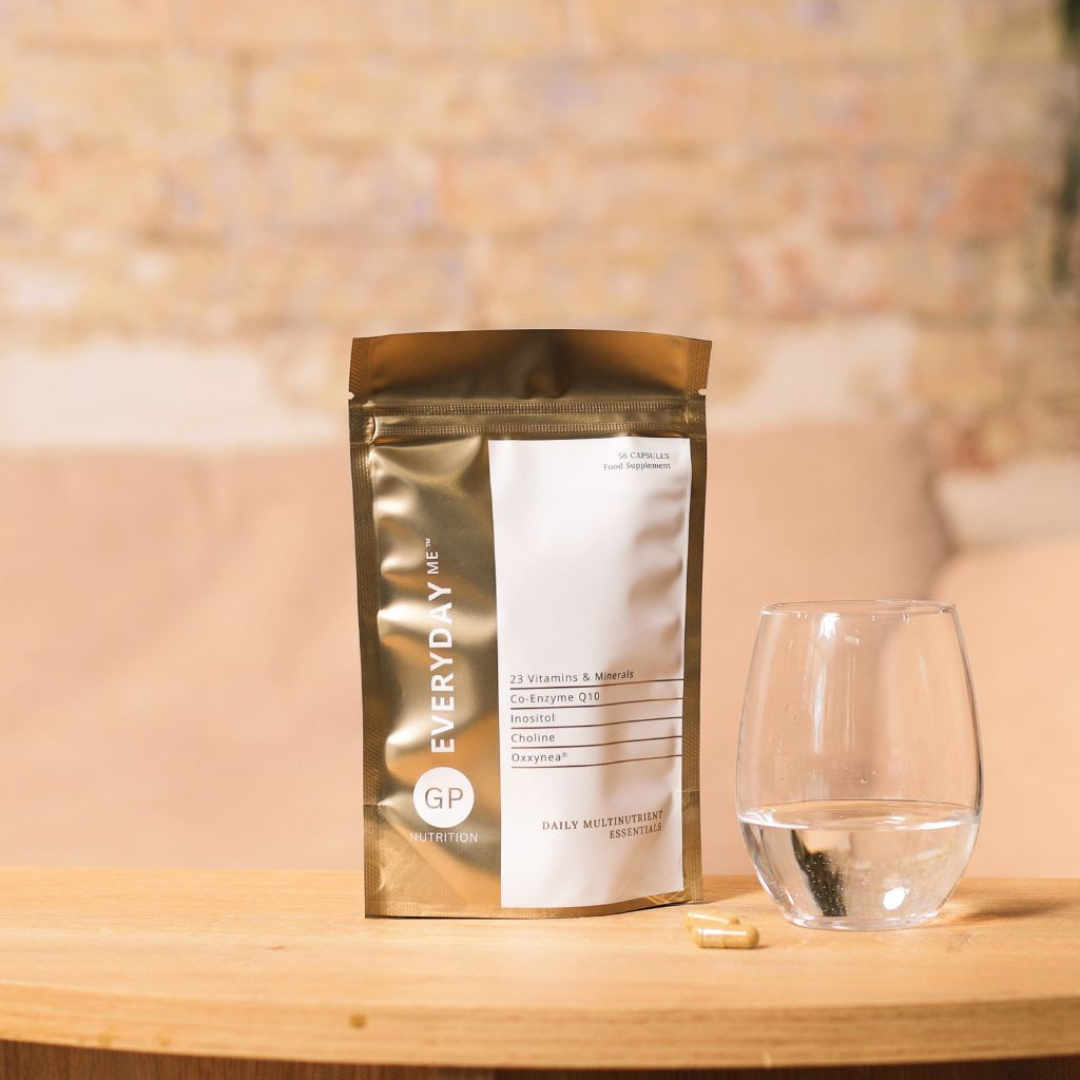
EverydayMe™ – An all-in-one daily multivitamin providing 27 essential vitamins, minerals and nutrients. It's a simple way to complement a balanced diet and help support your everyday nutritional intake.
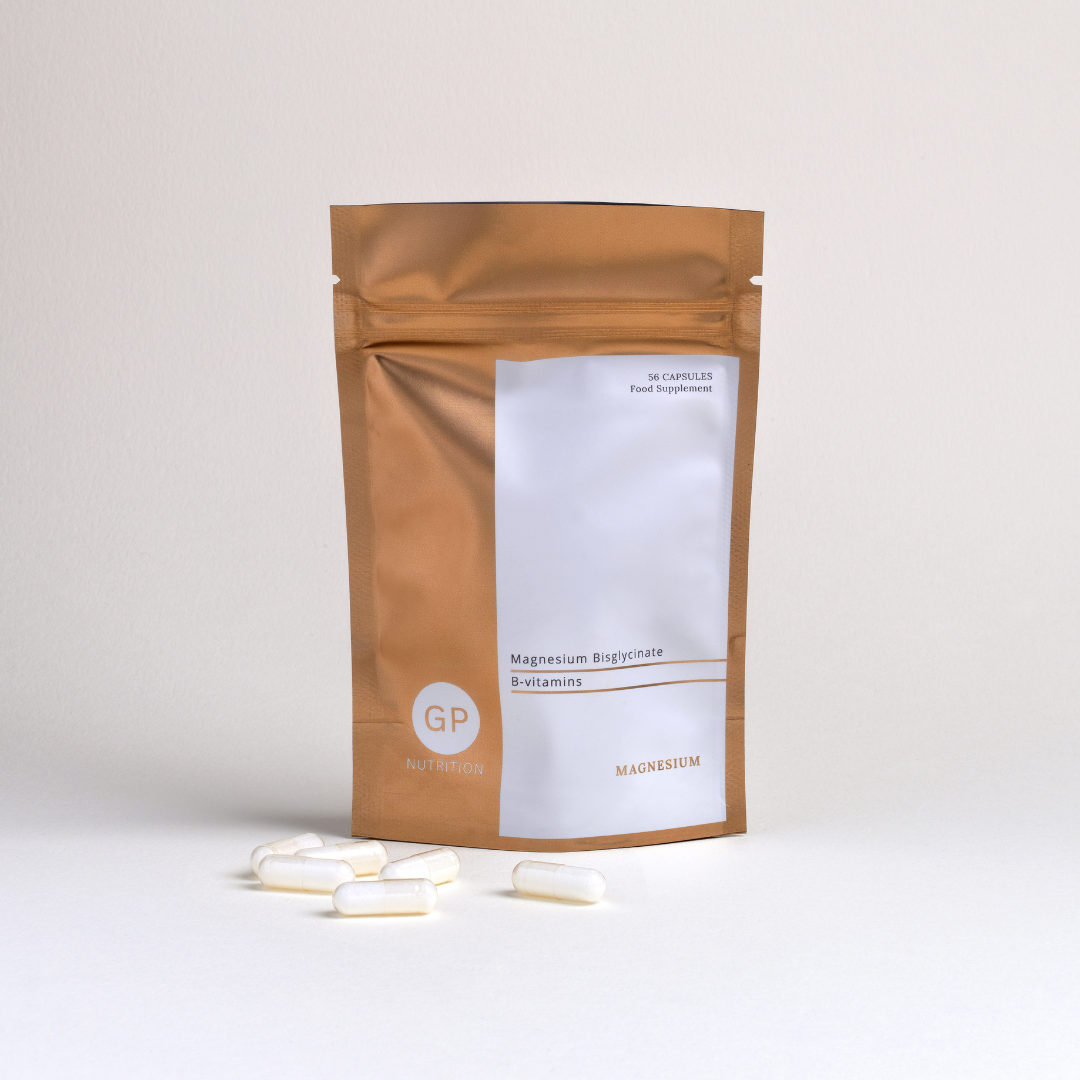
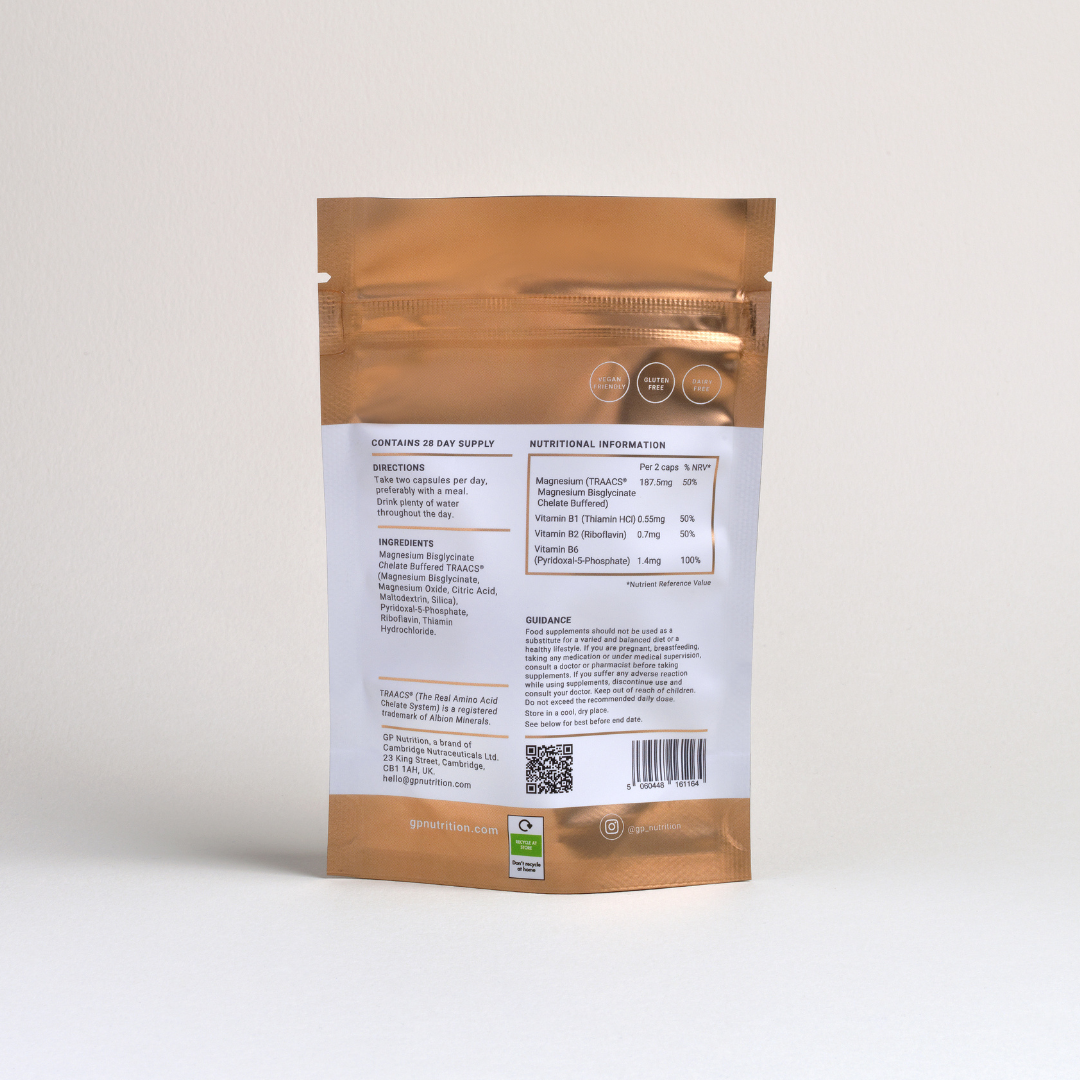
Magnesium – Featuring highly absorbable magnesium bisglycinate alongside vitamins B1, B2 and active B6. Magnesium contributes to normal energy-yielding metabolism and helps reduce tiredness and fatigue.
As always, supplements are designed to complement a varied, balanced diet and healthy lifestyle, not replace them.
The short version
Eating light in summer should mean choosing fresh, nourishing foods that are easy and enjoyable to eat, not depriving your body of what it needs.
Keep your protein up, eat plenty of colourful plants, include healthy fats and fibre, and make the most of all the beautiful seasonal food available.
If your appetite is smaller, don't worry about forcing yourself to eat huge meals. Just make the meals you do eat count.



Leave a comment
All comments are moderated before being published.
This site is protected by hCaptcha and the hCaptcha Privacy Policy and Terms of Service apply.