



Vitamin D is the famous 'Sunshine Vitamin'. But most people in the UK don’t get enough vitamin D, and about one in five of us are clinically deficient.
It's not just that we often miss out on sunshine. Spending most of the day indoors, covering up when outside, and our skin tone all make a difference too.
And Vitamin D is one of those nutrients we really don't want to forget about. It supports our immune system and helps keep our bones and muscles healthy, so getting enough matters all year round.
Key takeaways
- Vitamin D supports a healthy, resilient immune system and strong bones and muscles.
- About one in five people are clinically deficient in vitamin D in the UK, rising to nearly one in three in winter.
- The NHS recommends that everyone consider taking a daily vitamin D supplement between September and March, and all-year round for some.
- Oily fish, egg yolks and some fortified foods can add vitamin D to your diet.
Why does vitamin D matter so much?
We tend to think of vitamin D as being all about bones, but it does so much more.
Yes, it helps your body absorb and use calcium and phosphorus to keep your bones strong and teeth healthy. But it also supports your muscle function and your immune system.
That's why I think of vitamin D as one of those really important nutritional foundations.
You don't need to wait until you're deficient to start thinking about it. For me, it's about making sure your body is consistently getting what it needs to function at its best.
Are you getting enough sunshine?
Here's where living in the UK makes things a little more complicated!
Our bodies make vitamin D when our skin is exposed to sunlight. According to the NHS, from around late March or early April until the end of September, many of us should be able to make the vitamin D we need this way.
Then autumn arrives. Between October and early March, sunlight in the UK isn't strong enough for our bodies to make enough vitamin D. That’s simply because the sun stays too low in the sky, so the air filters out crucial UVB rays before they can reach our skin.
And even during summer, our lifestyles can get in the way. Maybe you work indoors all day, don't get outside very often or usually cover most of your skin. If you have darker skin, you may be making less vitamin D from sunlight.
Of course, this doesn't mean spending hours baking in the sun. Looking after your skin is incredibly important, so always follow sensible sun-safety advice.
Put some vitamin D on your plate
Sunshine isn't the only place we can find vitamin D, but there aren't huge numbers of foods that naturally contain it.
Some of the best sources are:
- Oily fish such as salmon, sardines, trout, herring and mackerel
- Egg yolks
- Red meat
- Liver
- Some fortified foods, like breakfast cereals and fat spreads
This is yet another reason I love oily fish. As well as vitamin D, you're getting the omega-3 fatty acids EPA and DHA, so it's a fantastic food to include regularly.
The challenge is that it can be difficult to get enough vitamin D from food alone, particularly during the months when we can't rely on sunshine.
So, do you need a vitamin D supplement?
The short answer is: yes. I always want food and a healthy lifestyle to be the foundation, but supplements can be a really simple way to support your nutritional intake.
The NHS recommends that all adults consider taking 10 micrograms (400 IU) of vitamin D a day during autumn and winter, and all year round for some of us, especially if you don’t often spend time outdoors, usually have most of your skin covered, or have darker skin.
My approach goes a bit further. I usually recommend a combination of making vitamin D from the sun when you can, supported by supplements. A daily dose of 25 micrograms (1000IU) will set you up for a good baseline all year round.
From April to September, make the most of it and get outside to enjoy some sunshine on your skin. You don't need to spend hours baking in the sun, even just 15 or 20 minutes a day will do, but not during the middle of the day when the sun is at its peak.
Even then, I’d recommend to keep taking a daily supplement with 25 micrograms (1,000 IU) of vitamin D during the summer, to give your body an extra boost.
Don’t take more than 100 micrograms (4,000 IU) of vitamin D a day, unless your doctor advises otherwise, to avoid possible side effects. If you're concerned that your vitamin D levels are low, speak with your doctor about testing and what's appropriate for you.
For everyday support, I recommend:
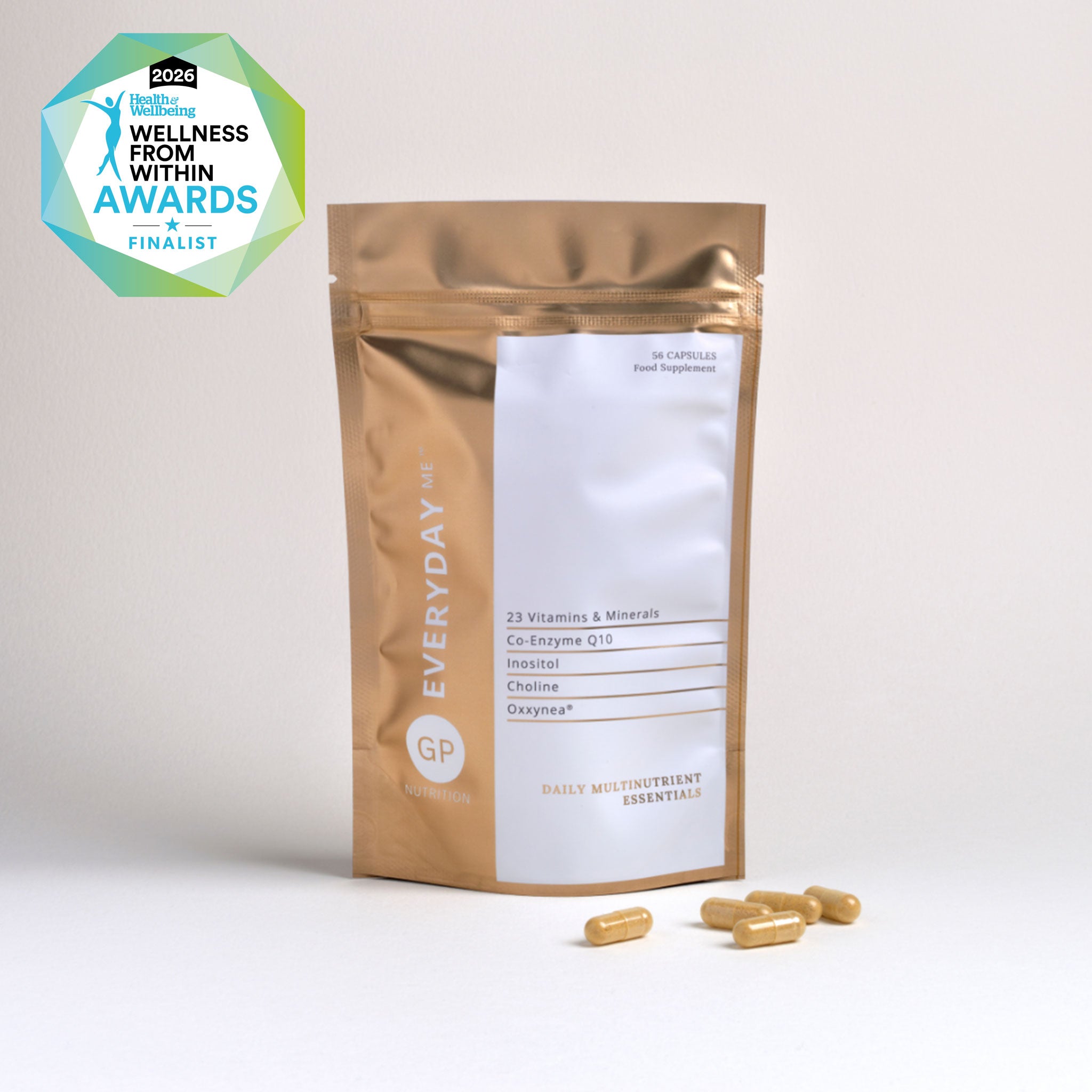
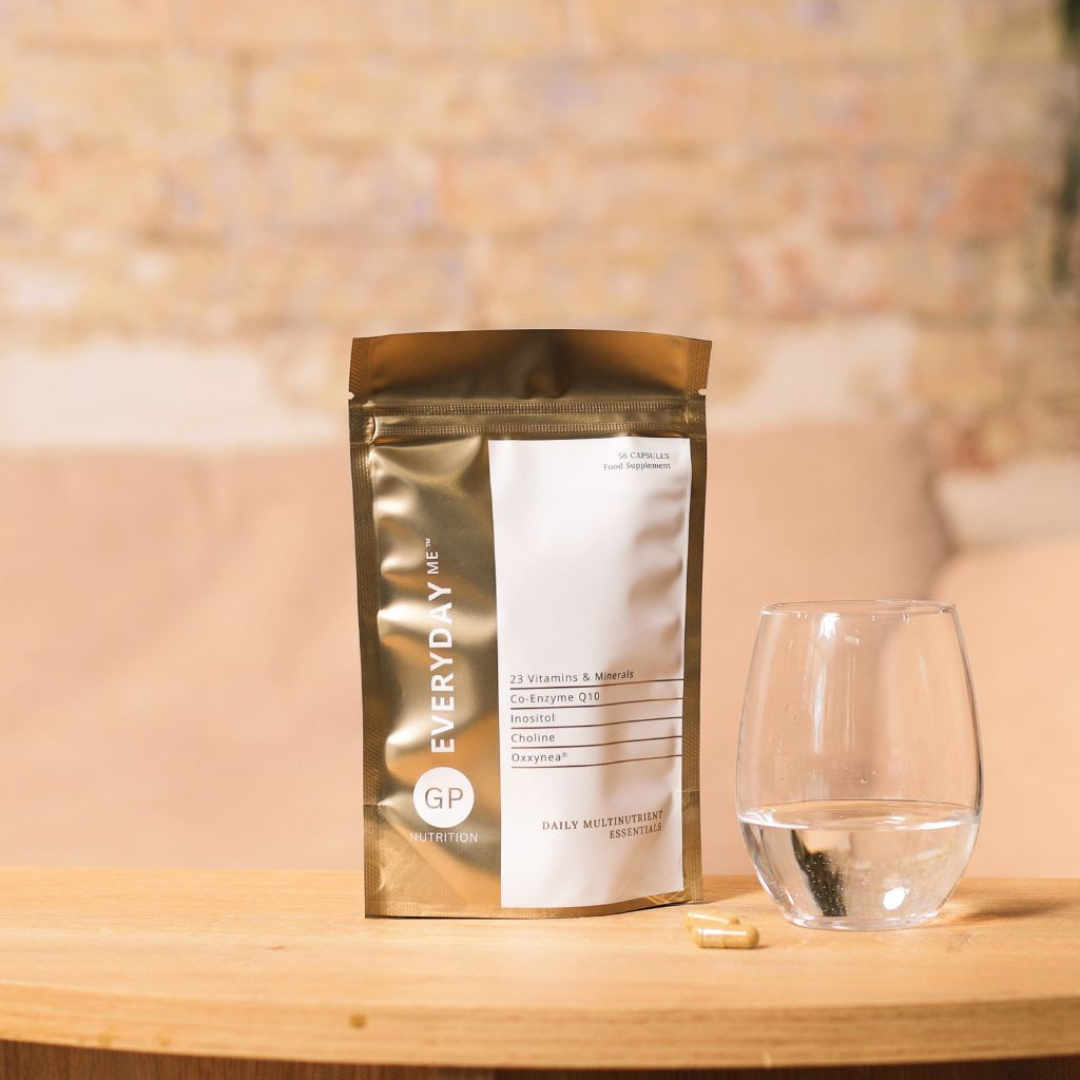
EverydayMe™ – My all-in-one daily multivitamin with 27 essential vitamins, minerals and nutrients, including vitamin D. It's designed to make securing your everyday nutrition easier.
As always, supplements are designed to complement a varied, balanced diet and healthy lifestyle, not replace them.
The short version
Enjoy getting outdoors when you can, eat plenty of nutritious foods and keep your vitamin D intake in mind as the seasons change.
And if you're worried you're not getting enough, particularly if you spend a lot of time indoors or have other risk factors, speak to a healthcare professional. A little attention to your vitamin D now can help make sure you're giving your body the nutritional support it needs all year round.


Leave a comment
All comments are moderated before being published.
This site is protected by hCaptcha and the hCaptcha Privacy Policy and Terms of Service apply.